





Nail laminated timber NLT
Nail laminated timber (NLT or also called nail-lam) uses standard dimension timbers (normally 2" x 4", 6", 8" or 10"). The individual members are laid on edge and nailed to the next timbers with a relatively high number of long, strong galvanised nails, which gives strength and weight enough to qualify as a massive wood panel product. In German it may be referred to as nail brettstaple, which is translated literally as a nailed board stack but more commonly is associated with dowel laminated timber (DLT) rather than nails.
In the US NLT qualifies as a heavy timber product as a result of the number and length of nails and is used for roofs and where slightly deeper, for floors as well as for vertical wall elements. Where used vertically as shear walls or diaphragms it may have plywood or OSB added to one face to provide improved shear capacity. In the horizontal NLT panel depths of about 100mm can span in a single direction up to around 3.5 metres, increasing to about 8 metres if depths increase 3 fold. Due to their massive wood heavy weight nature they can be used as an alternative to concrete slabs or steel decks in commercial and institutional buildings, as well as residential buildings. Fire rating is likely to be similar to cross laminated timber (CLT) products (normally designed to FR 30,60 or 90 minutes), though in the case of NLT the metal connections should also be protected, for example through the use of sacrificial timbers for charring rate or gypsum board cover. The types and quality of timbers used will also impact fare rating, so in each case specific product designs should be checked against relevant standards, such as ISO 834, EN 1995-1-2, EN 1991-1-2 and in the US chapter 16 of NDS and AWC TR 10.
The main advantages of the product are that it can use relatively low grade sawn timbers from a variety of species, which are readily available in standard dimensions and does not require complex machinery to create panels, which can even be made on site. Although it is classified as a heavy timber product it is in comparison, relatively lightweight and easier to handle than concrete and steel alternatives. It has an aesthetic appeal, with environmental sequestration credentials and because it uses no glue has some consideration to end of life, though not as significant as dowel laminated timber due to the mixing of metal and wood components not easily separated under and end-of-use scenario.
[edit] Related articles on Designing Buildings
- Carpentry.
- Compressive strength of timber lattice columns for low-rise construction.
- Cross laminated timber.
- Dowel Laminated timber.
- Engineered bamboo.
- Engineered wood products.
- Facts about forestry.
- Glulam.
- Janka hardness rating scale.
- Laminated veneer lumber LVL.
- Modified wood.
- Nails - a brief history.
- Plywood.
- Predicting service life of timber structures.
- Sustainable timber.
- Testing timber.
- The differences between hardwood and softwood.
- The use of timber in construction.
- Timber frame.
- Timber vs wood.
- Types of timber.
- Types of timber species.
- Whole life carbon assessment of timber.
- Wood around the world.
Featured articles
Check out some of the best features and news from Designing Buildings as well as key stories from around the web.
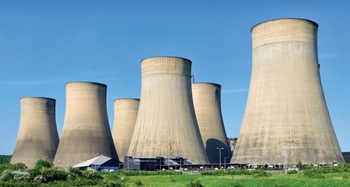
The heritage of nuclear and conventional power stations.
New measures to stop people being ripped off

Government to protect families from cowboy builders and aggressive bailiffs.

New Futurebuild showcase brings an innovation-first approach.
National Planning Policy Framework
Understanding the 2026 changes.
ECA's public affairs priorities

Member consultation opens to shape priorities for 2027 to 2030.

Dutyholder responsibilities from 1 July 2026.
Where performance meets practice

The Building Envelope Stage at UKCW Birmingham.
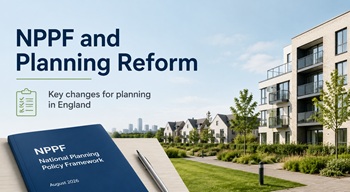
CIAT publishes briefing on planning reforms.
Leaders in Learning for Practice Network

Call for conservation leaders in learning to register interest in new network.
The importance of early engagement

Construction lessons from the Trillium HealthWorks Experience Centre.
Mayors are to be given planning call in powers
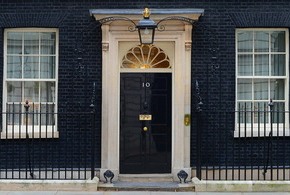
Mayors across England will be able to make the most important planning decisions.
The Master Builder: William Butterfield and his times. Book review.